


Friend Breef, in recent decades, artificial intelligence (AI) has developed rapidly and has become an integral part of our lives. This technology not only changes the way we work and communicate, but also affect various aspects of social, economic, and political life. However, along with this progress, important questions arise about AI ethics. How do we ensure that this technology is used responsibly and fairly? This article will discuss the challenges and responsibilities of AI ethics in the digital age, as well as provide insight into how we can overcome these issues.
Introduction to Artificial Intelligence
Source: Freepik
Artificial intelligence refers to computer systems designed to imitate human cognitive abilities, such as learning, thinking, and solving problems. AI has developed rapidly in recent decades, driven by progress in machine learning and data processing. This technology offers great potential to improve efficiency and innovation in various sectors, including health, transportation, and education. For example, in the field of health, AI is used to analyze medical data and assist in the diagnosis of disease, while in transportation, AI is used to develop autonomous vehicles that can reduce traffic accidents.
Ethical challenges in AI development
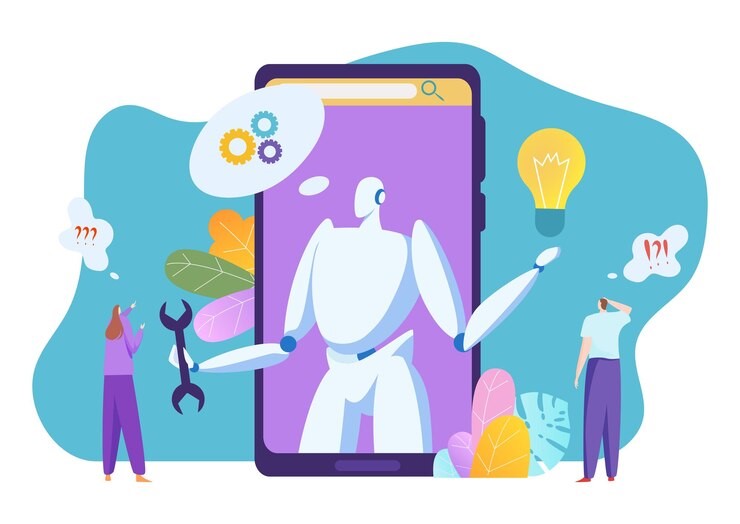
Source: Freepik
Although AI offers many benefits, its development also leads to significant ethical challenges. Some of the main challenges that we will definitely encounter in the AI -based world, namely
1. Bias and discrimination
One of the biggest challenges in the development of AI is bias and discrimination. AI is often trained using historical data that may contain bias. If not handled properly, this bias can be strengthened by the AI system, resulting in discrimination against certain groups.
2. Privacy and Data Security
AI requires large amounts of data to function effectively. Collection and use of this data raises concerns about individual privacy. In addition, data security is an important issue, because data violations can have a serious impact on individuals and organizations.
3. Transparency and accountability
The AI system often operates as a “black box,” where the decision making process cannot be fully understood by humans. This lack of transparency makes it difficult to determine accountability when an error occurs or abuse.
4. Social and Economic Impact
AI has the potential to change the economic structure and labor market significantly. Automation driven by AI can replace human work, resulting in unemployment and economic inequality.
Responsibility in the use of AI
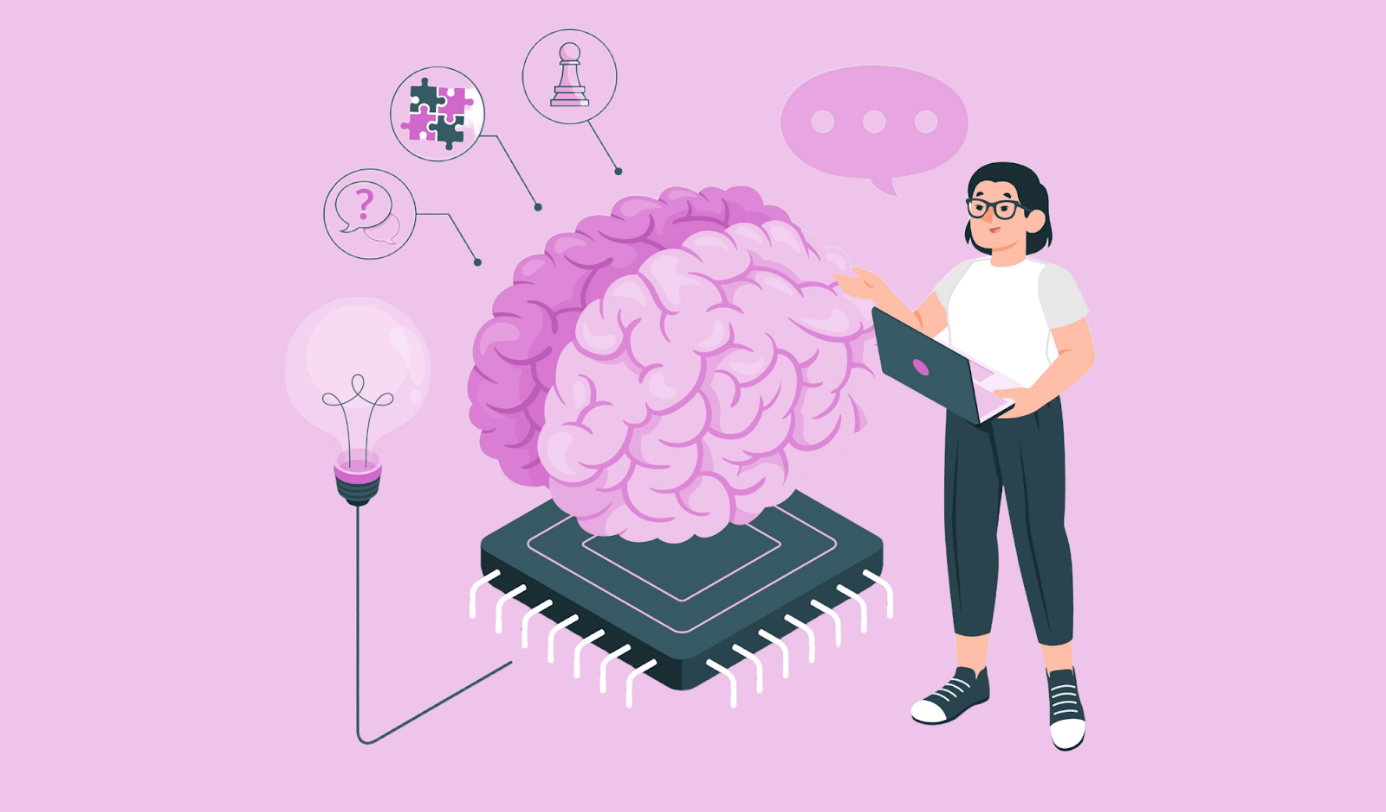
Source: Freepik
To overcome this ethical challenge, various parties have the responsibility in ensuring the use of ethical and responsible AI.
1. Developer and researcher
Developers and researchers have the responsibility to design a fair and transparent AI system. They must ensure that the data used is free from bias and that the algorithm can be audited to identify potential problems.
2. Government and regulator
The government and regulators must establish a legal framework and policies governing the use of AI. This includes protection of data privacy, security standards, and clear ethical guidelines for AI development and implementation.
3. Society and Users
The community and users also have an important role in ensuring the use of ethical AI. They must realize their rights regarding personal data and demand transparency from AI service providers. In addition, digital education and literacy can help people understand the ethical implications of this technology.
AI ethical implementation
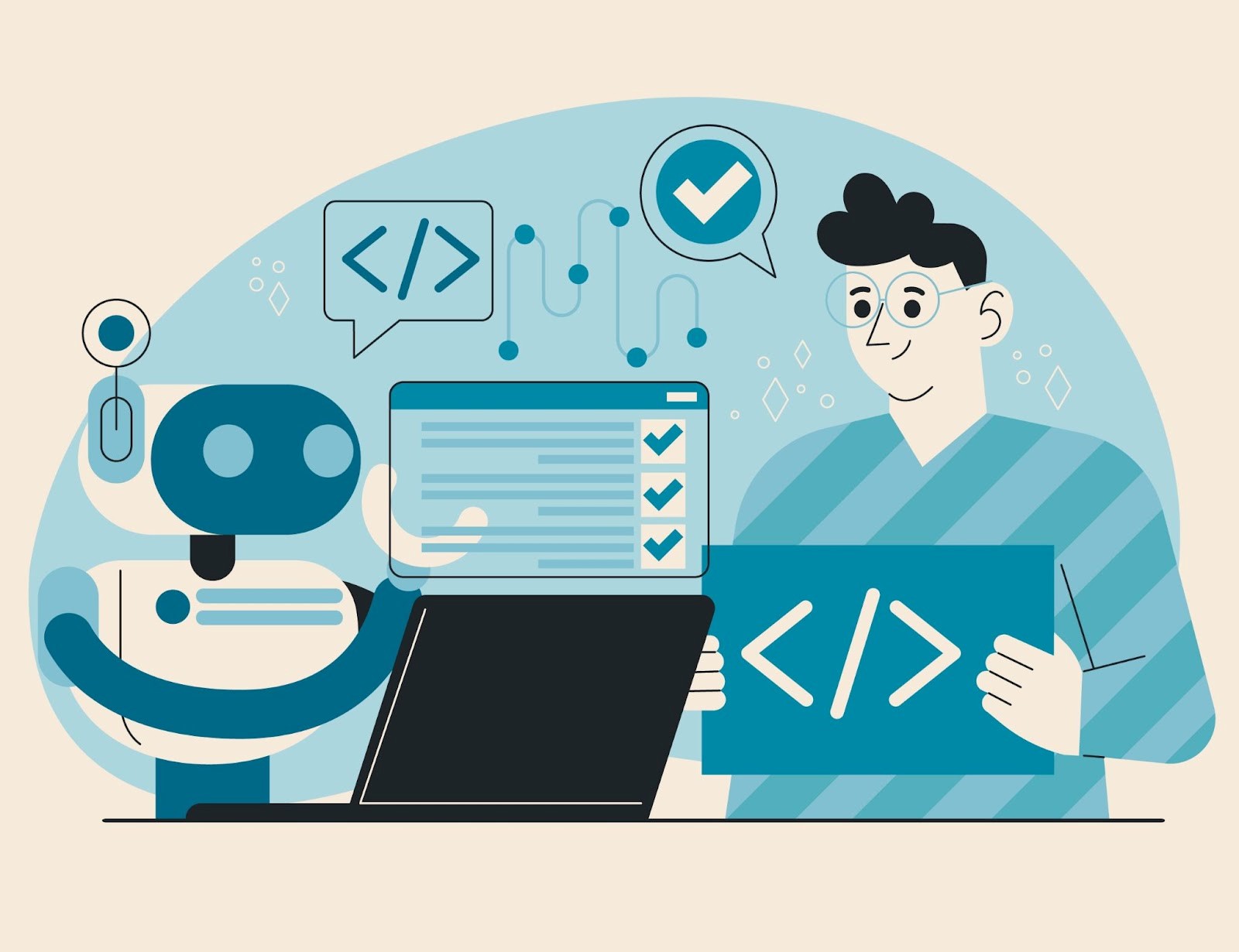
Source: Freepik
To understand how AI intelligence ethics can be applied, let’s look at several case studies that show challenges and solutions in practice.
1. Use of AI in Health
In the health sector, AI is used to diagnose disease and design treatment plans. However, the use of sensitive medical data raises privacy concerns. Some organizations have adopted the “Privacy By Design,” approach where privacy is considered since the initial stages of system development.
2. AI in the justice system
AI is also used in a justice system to predict the risk of violation of the law. However, the biased algorithm can result in unfair decisions. To overcome this, some jurisdiction has implemented an independent audit of the AI system to ensure justice and accountability.
3. AI in education
AI is used in education to personalize learning experiences and improve student learning outcomes. However, the use of AI in education also raises concerns about student data privacy and potential bias in assessment. Some schools and universities have developed strict data privacy policies and involves students and parents.
The future of AI intelligence ethics
Looking forward, AI’s ethics will continue to be an important topic along with the development of technology. Some trends that might affect AI ethics in the future include:
1. AI development is smarter
With progress in in -depth learning and natural language processing, AI will become more intelligent and autonomous. This raises new questions about human responsibility and control over the AI system. For example, how do we ensure that autonomous AI acts according to the values and norms of society?
2. International collaboration
Because AI is global technology, international collaboration is needed to set consistent ethical standards. International organizations can play an important role in facilitating dialogue and cross -border cooperation.
3. Education and public awareness
Education and public awareness about AI ethics must be improved. This includes integrating technology ethics into the education curriculum and promoting public discussions about the social implications of AI. By increasing digital and ethical literacy, people can be better prepared to face AI.
Conclusion
Ethics of artificial intelligence is a complex and dynamic field, which requires attention from various stakeholders. By overcoming ethical challenges and fulfilling our responsibilities, we can ensure that AI intelligence ethics is used for the common good, advancing innovation while protecting human rights and dignity. In this digital era, AI ethics is not only a choice, but a must for a sustainable and fair future.
Digital Agency
we specialize in maximizing your online visibility and driving measurable results through strategic SEO solutions. We’re here to help businesses like yours rank higher, attract quality traffic, and achieve long-term growth in the ever-evolving digital landscape.


Заказать Тэнк – только у нас вы найдете разные комплектации. Быстрей всего сделать заказ на автомобиль танк цена в спб новый можно только у нас!
купить новый автомобиль танк
tank официальный дилер спб – http://tankautospb.ru/